Our technology

Technological excellence, understood as capability and control, is one of ViveLibre’s foundational values. This principle has driven the development of expertise in key areas such as data analysis and artificial intelligence, software development, IoT device design and manufacturing, data center management, and telecommunications.

The knowledge gained throughout this process enables ViveLibre to continuously innovate and adapt its services, positioning itself as one of the few operators capable of evolving its products in tandem with technological advancements.

100% ViveLibre technology for a new approach to personal autonomy and health care.

Innovation in Monitoring and IoT

Our technological approach is based on creating an ecosystem of devices that enables comprehensive monitoring of activity within the home. To achieve this, we integrate home automation and security systems with the ability to extend monitoring beyond the domestic environment.

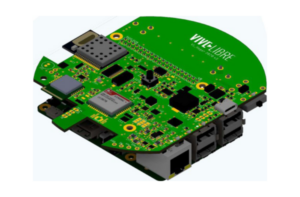
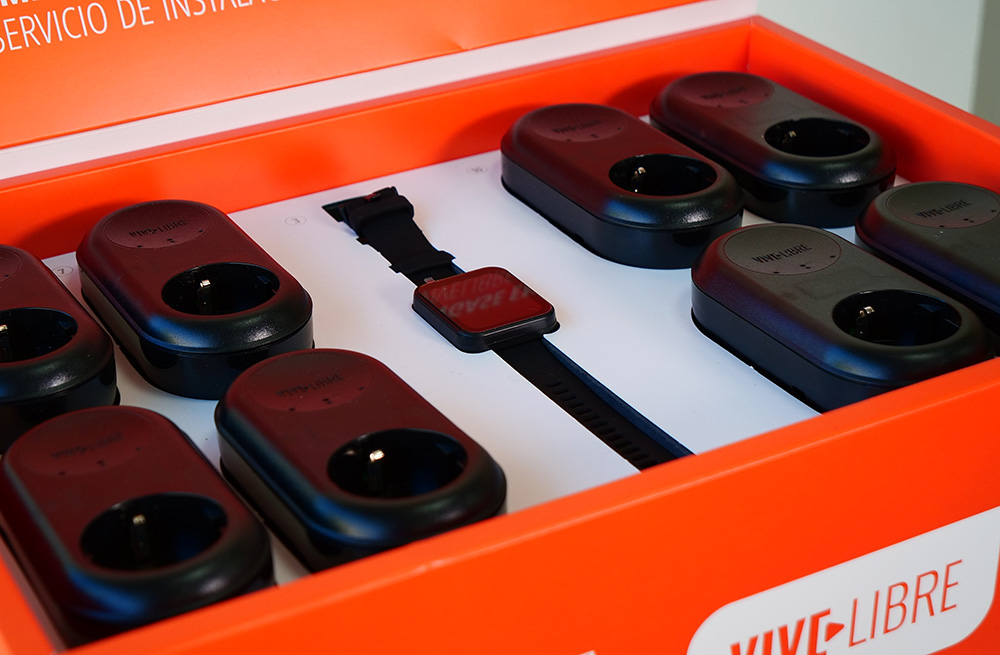
Our expert Internet of Things (IoT) team has developed a smart kit composed of a variable number of intelligent beacons, a high-capacity data processing hub, and the first 100% Spanish-made smartwatch.

Although it is not yet available to the general public, this revolutionary technology—entirely developed and manufactured in Spain under the name ViveLibre Hogar—is already deployed in more than 400 households across the country.

ViveLibre Hogar users benefit from a non-intrusive monitoring system that continuously collects data on their activity, routines, and behavior patterns, as well as health biomarkers and contextual information about their environment. This is complemented by our advanced mobile telecare services, currently available to the general public through our mobile app, which, in the case of ViveLibre Hogar, are integrated via our smartwatch—offering a comprehensive support system for safety and well-being.

Advanced Technological Architecture

The need to process large volumes of information in real time has led ViveLibre to develop a custom-designed Event-Driven Architecture (EDA) tailored for this and its other services. This is a key element of ViveLibre’s technology, ensuring robustness and scalability, which with current resources, can provide service to over 100,000 users.

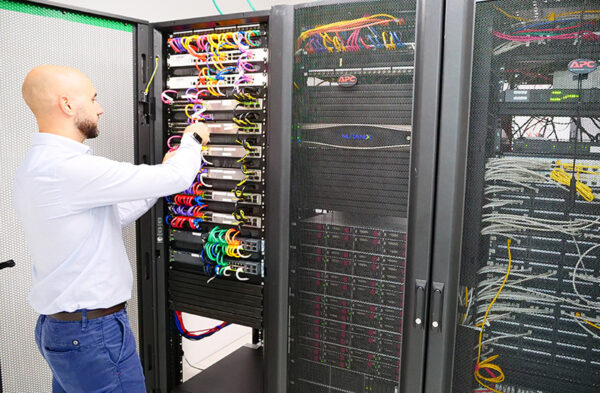
Additionally, ViveLibre operates two self-managed Data Processing Centers (DPCs) and its own telecommunications system. These ensure high availability and optimal performance of its services through failover systems and cloud-based load balancing.

SAU: Centralized User Support Platform

At an operational level, ViveLibre relies on the SAU (User Support Service), a collaborative, centralized management platform that is essential for coordinating its services.

This proprietary software, fully developed in-house, features native WebRTC telephony integration and all the necessary tools to coordinate the joint actions of operators, case managers, health managers, doctors, and service administrators.

Additionally, the SAU includes APIs for integration with external services and the ability to implement interoperability protocols on demand (e.g., HL7).

Technology at the service of humanity

In line with the social commitment inherited from ATAM, which prioritizes care and service above all else, ViveLibre has designed its technology with the utmost respect for user privacy.

This self-imposed duty is embodied, among other things, in the decision to forgo intrusive monitoring systems, such as cameras, and in the adoption of edge computing—a distributed computing paradigm that processes data as close as possible to its source. This ensures that sensitive user information never leaves their home unless required for emergency care.


Following a preliminary interview with the user, ViveLibre will configure each device kit based on the individual support needs and the specific characteristics of the home where it will be installed. This customization is technically essential to ensure maximum coverage in the monitored area, as once deployed, the devices will automatically interconnect to extend the wireless network to every corner of the home, regardless of its shape or size. We refer to this process as self-installation.

Towards a new generation of teleassistance

While most of the current teleassistance services are governed by outdated standards, we now have the necessary advancements to propose a new, technologically disruptive care model. This model is based on the centralized management of information from as many sources as possible: multifactorial telecare.

Basic telecare

Basic alarm systems connected to an alarm receiving panel, which include alert devices, UCRs (Remote Control Units), with panic buttons that the user an activate in case of emergency.

Advanced telecare

Integration of sensors un basic telecare (door opening motion detectors, gas, smoke, etc.) that send automatic alerts without required user interaction.

Mobile telecare

Integration of mobile devices (smartphones and smartwatches) that extend telecare outside the home and incorporate new functionalities such as geolocation and fall detection.

Multifuctional telecare

Integration of monitoring systems and continuous analysis of physiological, kinematic and contextual parameters to tailor the service to the specific needs of each user and generate adaptive responses.

Multifactorial teleassistance, or teleassistance 4.0, is a new concept coined by ViveLibre, representing a holistic approach to remote assistance. It combines the capabilities of advanced teleassistance with continuous monitoring systems to support a care model focused on prevention, safety, and respect for user privacy.

This new approach, which underpins ViveLibre’s technological ecosystem, focuses on building highly personalized solutions to address a broader spectrum of support needs both inside and outside the home.

A continuum of care is made possible through the combination of various technologies and services, encompassing both reactive emergency response and a proactive approach. This proactive model relies on continuous analysis of user data and their environment to anticipate potential risk situations.

Multifactorial teleassistance seeks to address the increasingly complex care needs of users, who are required to adapt to a constantly evolving world—one full of opportunities but not without risks. Developing mechanisms to embrace this uncertainty and adopting continuous innovation as a core principle, not only in service delivery but also in the development of the technology that supports it, is essential to meeting this challenge.

The multifactorial approach does not advocate for a static service based on an assumed, premature understanding of user needs. Instead, it promotes an adaptive approach grounded in the acceptance that each individual is unique and evolves in their own way.

This principle, reflecting over 50 years of experience caring for people with disabilities and in situations of dependency, has implications that extend beyond the service itself. It directly impacts the organization that provides it, requiring the capacity to sustain an operational logistics model capable of ensuring its viability.

Fortunately, we now have all the necessary factors—not to anticipate every user need, but to adapt to their changing reality and provide the support required for them to remain in their homes as long as possible, living according to their preferences without resorting to institutionalization.

The combination of a highly sensorized environment with new distributed computing paradigms like edge computing and the intensive use of narrow artificial intelligence techniques makes this possible. Furthermore, the human factor remains a key element in determining support needs and configuring intervention protocols.


ViveLibre’s multifactorial teleassistance is therefore conceived as a well-balanced equation between technology and human intervention. Ultimately, it is a service that incorporates all the necessary elements to ensure the best possible care for the user, based on a deep understanding of their needs:

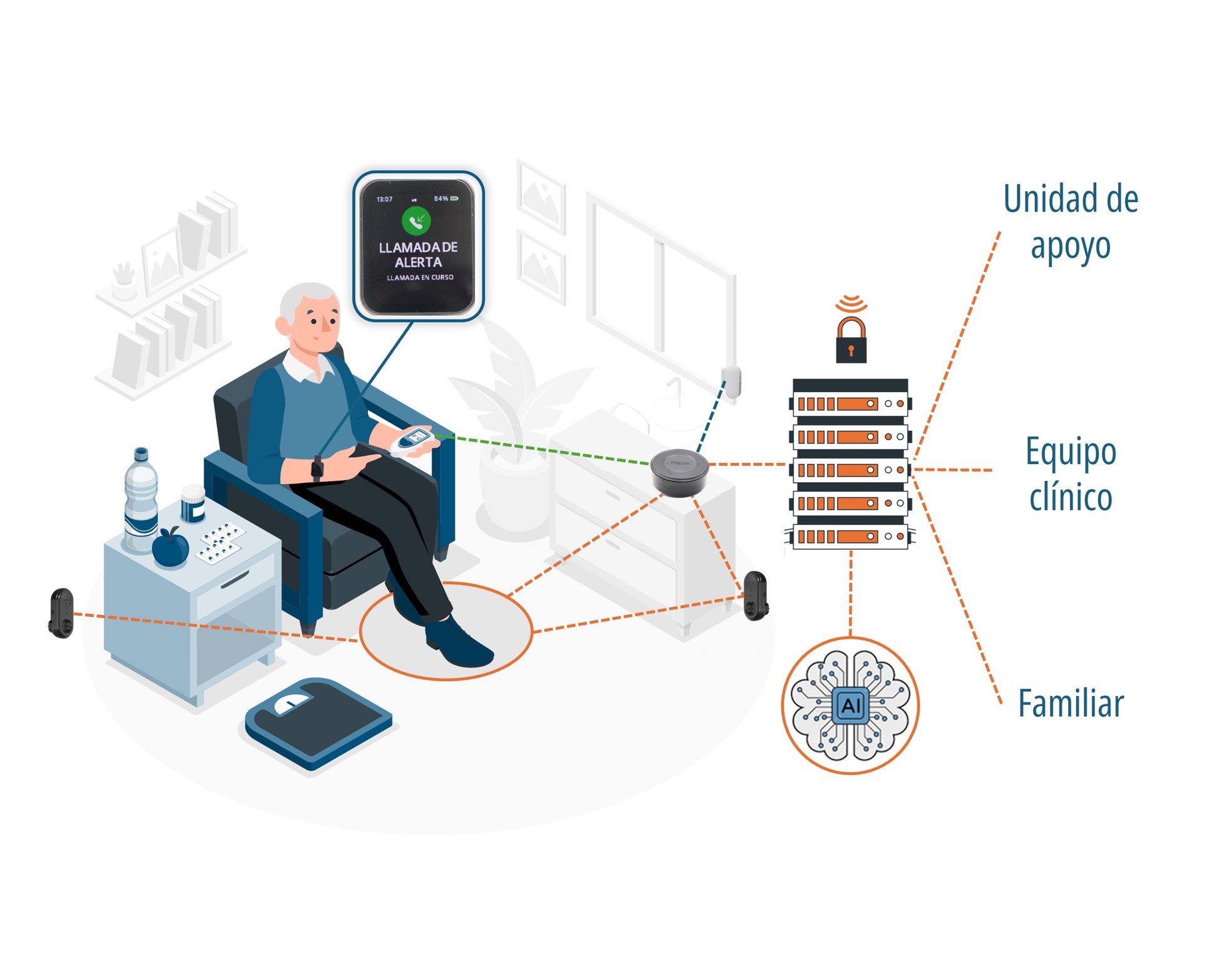
Detección automática de caídas dentro y fuera del hogar
Real-time fall detection.
Real-time posture monitoring (standing, sitting, or lying down).
High-precision indoor positioning with a maximum deviation of 30 cm.
Measurement of gait speed and regularity.
Behavioral pattern analysis.
Tracking the time and frequency of use of different areas of the home.
Monitoring sleep and wake cycles.
Detailed sleep analysis.
Evaluation of the user’s energy expenditure.
Monitoring of biomedical health parameters.
Integration of non-intrusive assistance.
Increasing safe mobility.
×
ViveLibre
Privacy Overview

This website uses cookies so that we can provide you with the best user experience possible. Cookie information is stored in your browser and performs functions such as recognising you when you return to our website and helping our team to understand which sections of the website you find most interesting and useful.