Success stories Vivelibre Tech Solutions: Apoyos Conectados

Technological solutions for personal autonomy
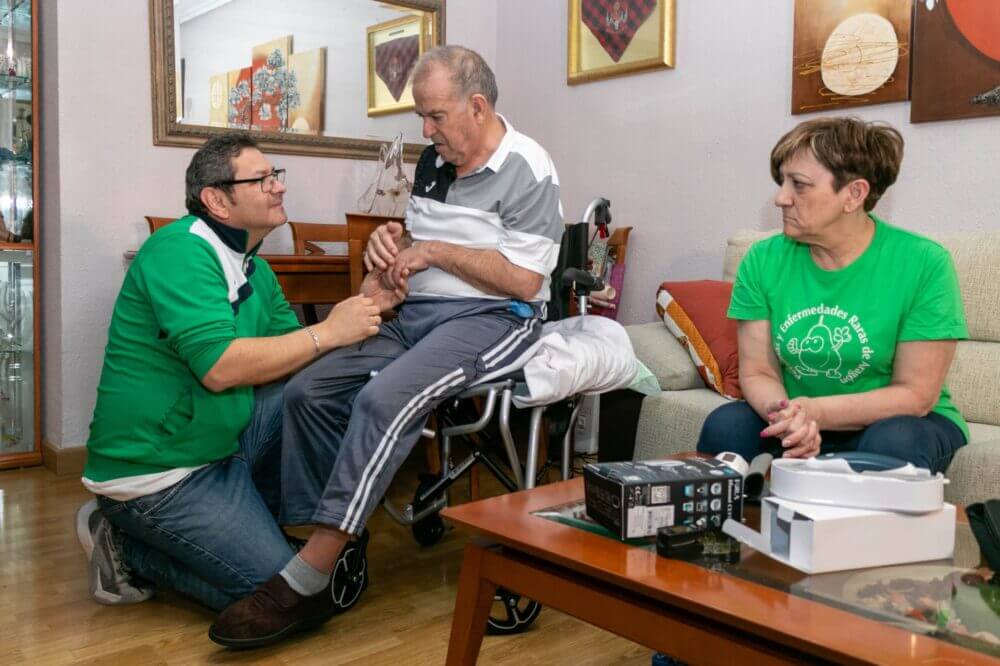
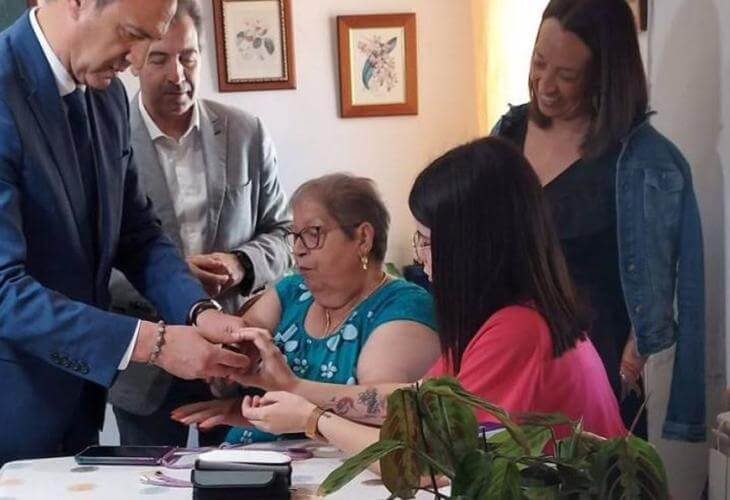
The Connected Support for Personal Autonomy (ACAP) project is a pioneering initiative by the Government of Aragon, whose main goal is to delay or prevent the institutionalization of older adults, people with disabilities, or those in situations of dependency. This innovative program provides comprehensive care to more than 1,500 individuals, combining community support, local services, and advanced technologies, enabling beneficiaries to continue living in their homes with autonomy and quality of life for as long as possible.
The collaboration between ViveLibre, acting as the technological partner of the project, and the Aragonese Institute of Social Services, the Aragonese Health Service, the local social services, and the DFA Foundation has been key to the success of the ACAP project. Thanks to this alliance, ViveLibre has established an effective synergy between public and private systems, enabling the implementation of advanced telecare solutions that enhance users’ mobility, home safety, and health, while strengthening existing community-based support.
Through this holistic approach, not only is the quality of life of individuals improved, but valuable evidence is also generated regarding the sustainability and long-term benefits of this care model. The project includes clinical studies to assess the impact of these interventions, providing essential data to guide future care policies and programs for people with dependency needs.
A new model of care
This innovative project is based on a care model based on salutogenic principles, which promotes personal autonomy and health, adapting to the individual needs of each participant. This mixed model combines technology and support in proximity, maintaining a realistic and updated perspective of each user’s circumstances. In addition, it is prepared to incorporate new technological advances, thus guaranteeing the permanence of users in their homes as long as possible.
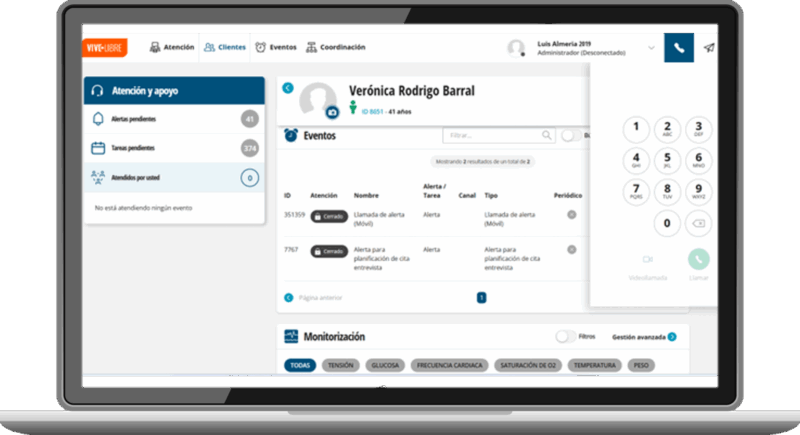
One of the key elements of the project is the User Care System (SAU) of ViveLibre, a platform that coordinates the actions of various specialists, such as support managers, health managers, doctors and operators. Thanks to its interoperability capabilities, the SAU allows a fluid integration with the public health and social services systems, optimizing attention and ensuring a timely and effective response to the needs of each user.
Multifactorial Telecare
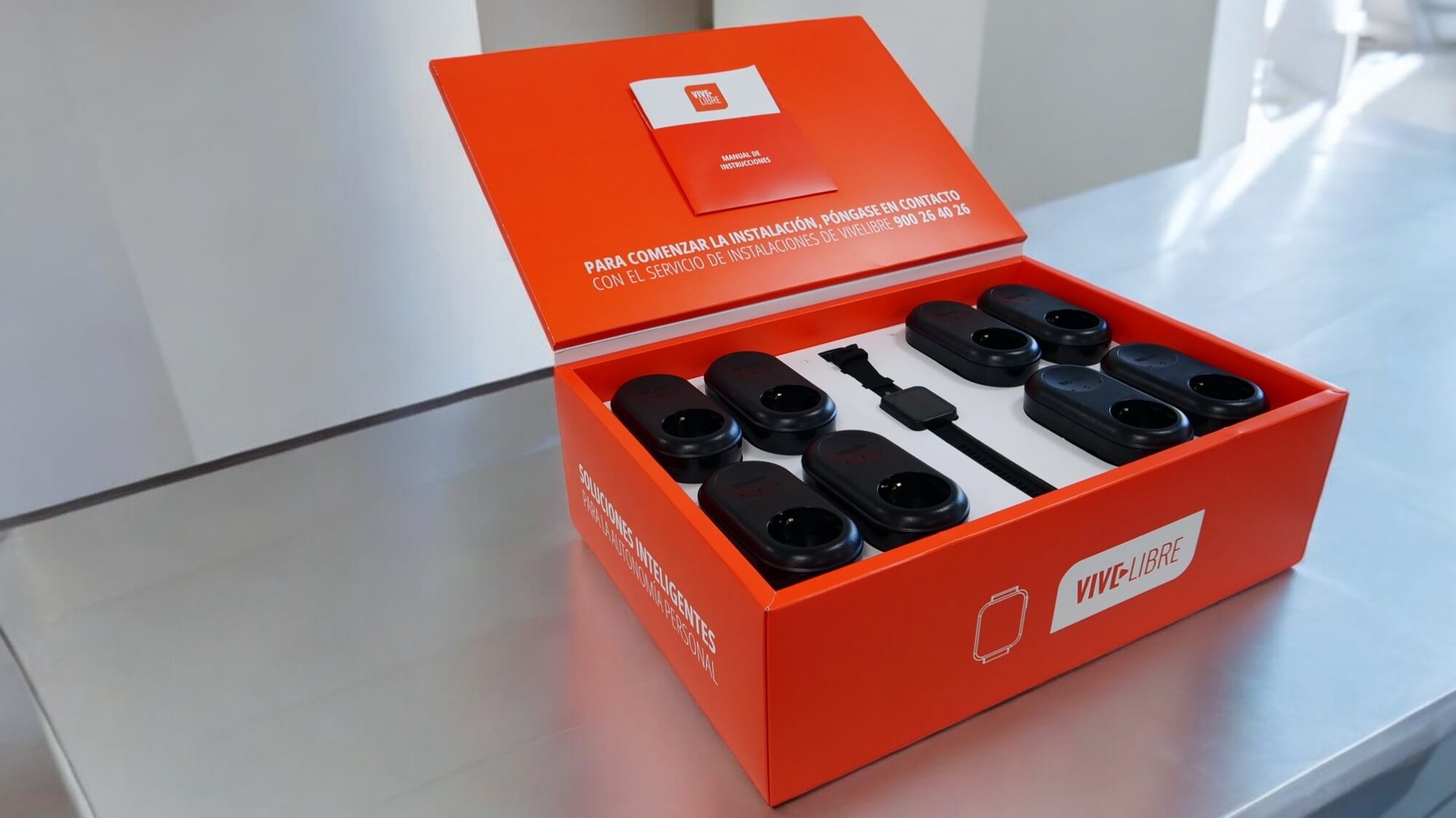
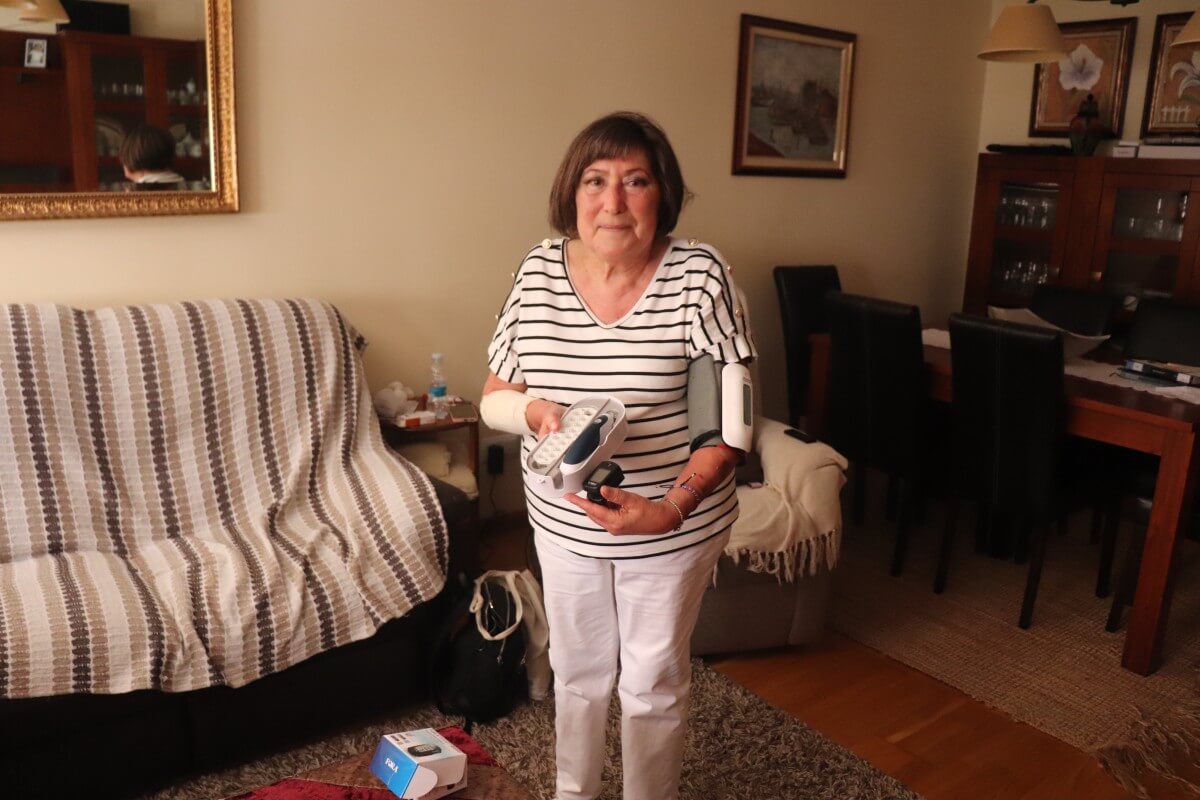
Currently, more than 1,600 users participate in the project, of which 400 have access to a comprehensive care system based on multifactorial teleassistance. This system uses high-tech devices that integrate transparently into the daily life of users, providing constant and discreet support that improves people’s safety and well-being. These technologies help ACAP beneficiaries enjoy a safer environment adapted to their needs, maintaining their independence and reducing the need for institutionalization.
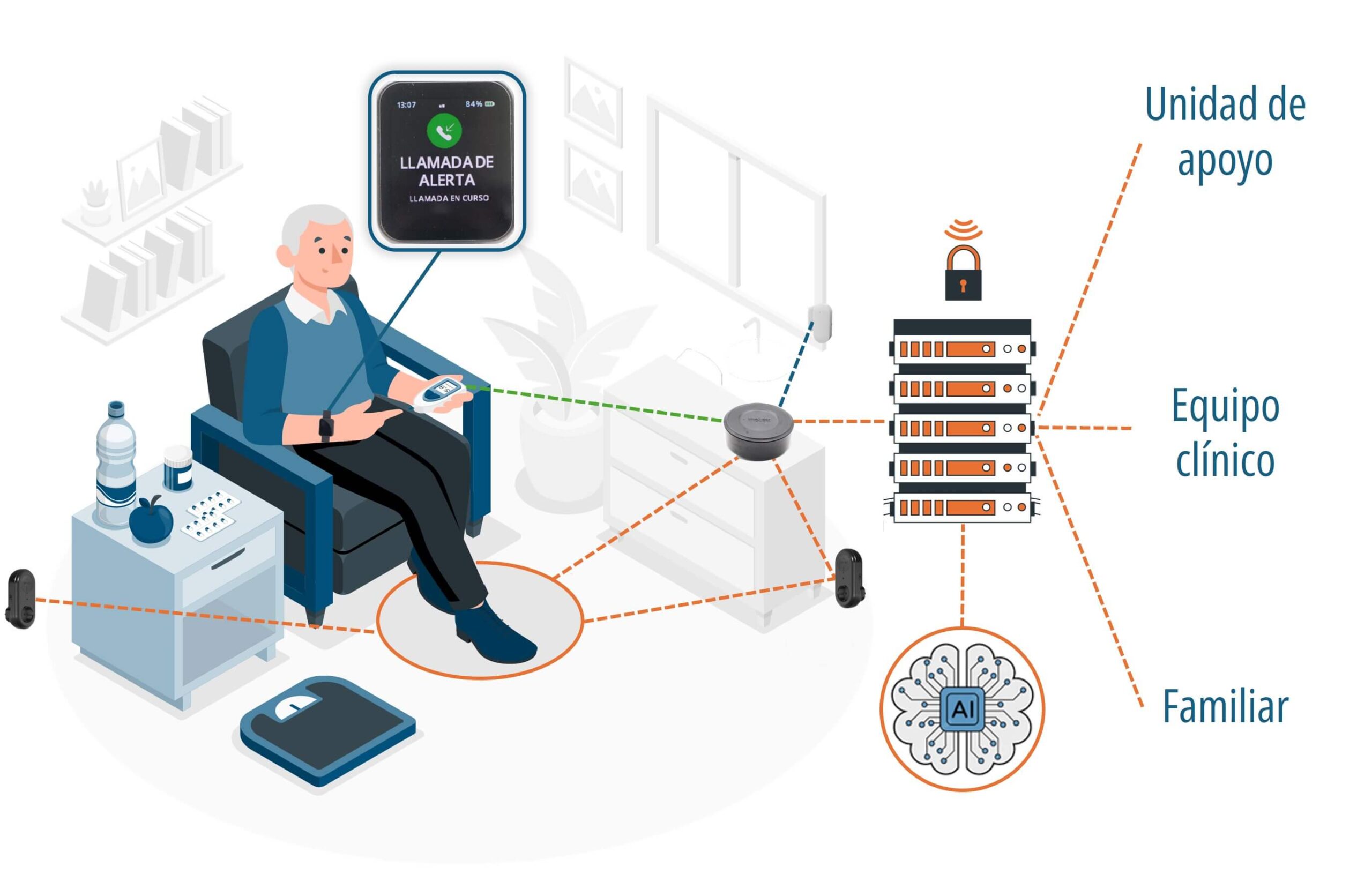
These users can benefit from:
- 24/7 emergency care
- Automatic fall detection
- Request for help in one click
- High precision localization indoors
- Geolocation in real time
- Definition of safe and unsafe areas
- Guidance in the face of disorientation
- History of tours
- Itinerary analysis
- No-location alerts
- Medication and health reminders
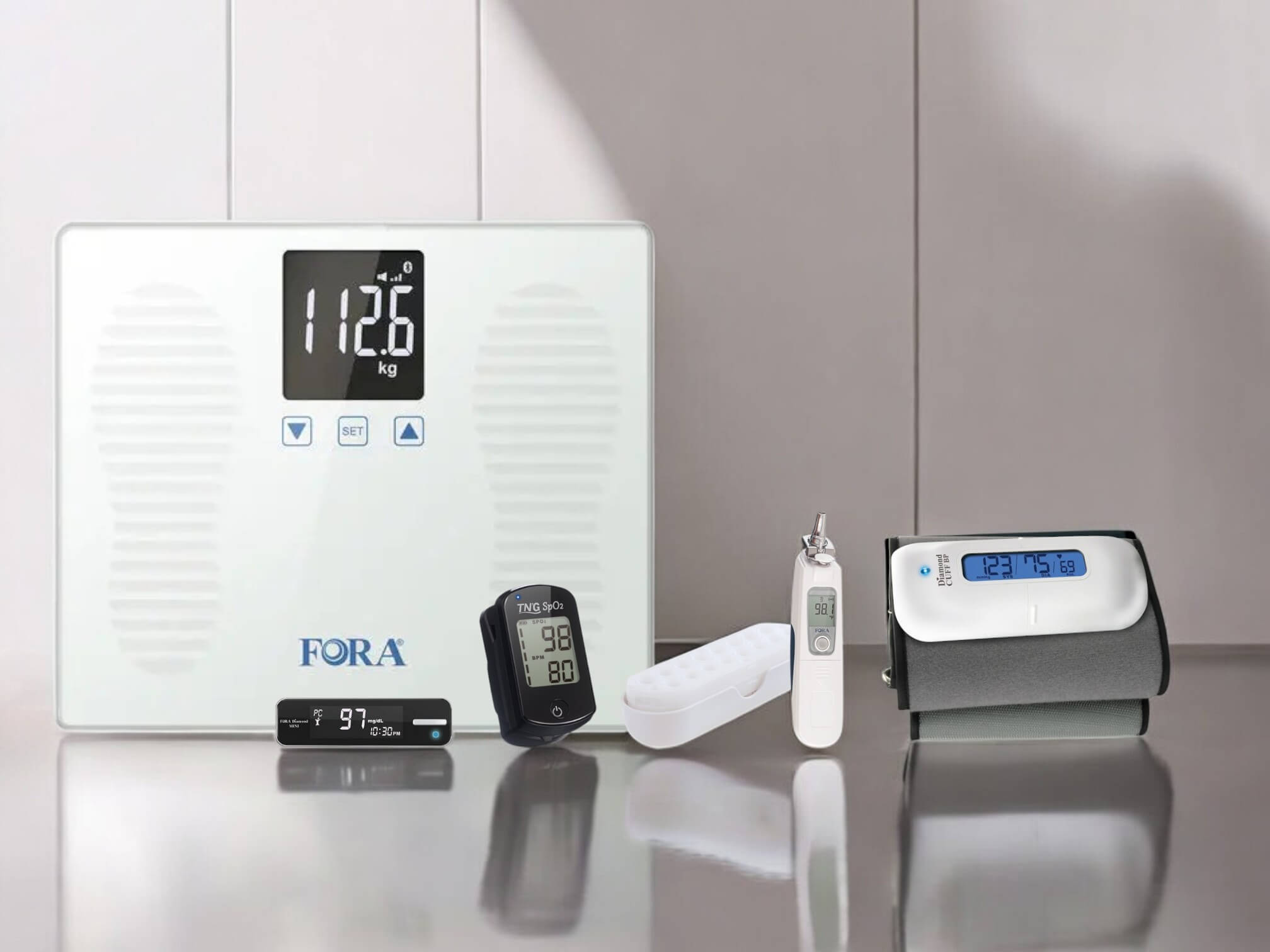
- Collection and analysis of health biomarkers
- Definition and alert of health thresholds
- Analysis of integral well-being
- Quarterly clinical reports
- Support and follow-up calls
Tangible and sustainable results
The ACAP project includes clinical studies that demonstrate the effectiveness of this care model, offering a more sustainable approach adapted to the preferences of users who wish to remain in their homes as long as possible. These clinical analyzes will help to build a care model based on evidence, with a focus more in line with the real needs of the population.
The ACAP project includes clinical studies that demonstrate the effectiveness of this care model, offering a more sustainable approach adapted to the preferences of users who wish to remain in their homes as long as possible. These clinical analyzes will help to build a care model based on evidence, with a focus more in line with the real needs of the population.